

Course Offerings

Campus to Corporate

What you will learn By the end of this course, participants will be able to: Understand the expectations and norms of the corporate workplace Develop professional communication skills for interacting with colleagues, managers, and clients Learn time management techniques to prioritize tasks and meet deadlines effectively Cultivate teamwork and collaboration skills for working in diverse corporate environments Gain insights into corporate culture, office politics, and professional etiquette Explore strategies for career development, goal setting, and personal branding Build confidence and resilience to navigate challenges and seize opportunities in the corporate world Beneficial for This course is suitable for: Recent graduates preparing to enter the workforce Young professionals in their early career stages Interns transitioning to full-time roles Anyone seeking to make a successful transition from academia to the corporate world Course Pre-requisite Participants should have a basic understanding of: There are no specific prerequisites for this course. Participants at all stages of their career journey are welcome. Course Outline Module 1: Understanding Communication Verbal and written communication Non-verbal/ interpersonal skills Telephone/ email etiquette Power of First Impressions Effective Self – Presentation Questioning Skills Smart Appearance Listening to Understand vs Listening to React Module 2: Introduction to Etiquette Social v/s Business Etiquette Greetings and Introductions Office Etiquette Meeting Etiquette Virtual Conference Etiquettes Module 3: Presentation Skills Fundamentals of an Effective Presentation Importance of Visual Aids Understanding and Overcoming Fear Importance of Managing Voice and Managing Question and Answer Session Module 4: Writing for Impact Understanding the 10 C’s of Effective Business Communication Etiquette & Format of Emails Using the right language tactfully to sound right Understand Audience’s requirements and communicate the appropriate message Common errors and proofreading mistakes Module 5: Working in Teams, Respecting Diversity and Task & Emotion Management What is a Team? Why is Teamwork essential Group Dynamics Recognize the value in identifying unhealthy team To move from “I” to “We” Choose the characteristics of a damaging Module 6: Barriers to Effective Teamwork Lack of common values and goals Weak leadership and membership skills Poor group practices Lack of motivation to work as a team Understanding and Utilizing Differing Personality Types Analysing Perceptions and Stereotypes Recognize the value of understanding team mates How to deal effectively with various. Personalities Module 7:Task & Emotion Management Persuasion Dealing with Aggressive Behavior Dealing with Emotions Initiating Small Talks Managing Relationships Understanding the Cultural Diversity Coordination in Teams Assertive Communication while Dealing with Balancing Team Needs and Individual Needs How to accept Feedback with Grace

Read More »

GCP for Developers

What you will learn By the end of this course, participants will be able to: Understand the core GCP services and tools for application development Learn how to design, develop, and deploy cloud-native applications on GCP Gain proficiency in using Compute Engine, App Engine, Kubernetes Engine, and other GCP services Develop skills to integrate GCP services into applications for storage, messaging, and authentication Explore best practices for building scalable, reliable, and secure applications on GCP Learn how to monitor, troubleshoot, and optimize applications deployed on Google Cloud Platform Gain insights into emerging trends and technologies in cloud-native application development Beneficial for This course is suitable for: Software Developers Full-stack Developers Application Architects DevOps Engineers Course Pre-requisite Participants should have a basic understanding of: Proficiency in at least one programming language such as Python, Java, or Node.js Basic understanding of cloud computing concepts. Familiarity with web development frameworks (beneficial but not mandatory) Course Outline Module 1: Introduction to Google Cloud Platform Overview of Google Cloud services and offerings Understanding the GCP pricing model and billing Module 2: Compute Services on GCP Provisioning virtual machines with Compute Engine Deploying containerized applications on Kubernetes Engine Module 3: Serverless Computing with GCP Building and deploying serverless applications with Cloud Functions Integrating serverless components into applications Module 4: Storage and Database Services Storing data in Google Cloud Storage Using Cloud SQL, Firestore, and Bigtable for managed database services Module 5: Networking and Security Configuring network resources with Virtual Private Cloud (VPC) Implementing security best practices on Google Cloud Platform Module 6: Application Development Deploying applications on Google App Engine Integrating GCP services with applications using Cloud APIs and SDKs Module 7: Monitoring and Logging Monitoring application performance and health using Stackdriver Implementing logging, tracing, and diagnostics in GCP applications Module 8: Best Practices and Next Steps Best practices for building scalable, reliable, and secure applications on GCP Resources for further learning and certification preparation

Read More »

GCP for beginner

What you will learn By the end of this course, participants will be able to: Understand the fundamental concepts of cloud computing and GCP Navigate the GCP console and interact with cloud services Learn how to provision and manage compute, storage, and networking resources on GCP Gain practical experience deploying applications on Google Cloud Platform Explore key GCP services such as Compute Engine, Cloud Storage, and App Engine Develop a foundational understanding of cloud security, scalability, and reliability Beneficial for This course is suitable for: Individuals new to cloud computing and Google Cloud Platform Students and professionals interested in learning cloud technology fundamentals IT enthusiasts seeking to explore cloud services and solutions Anyone considering a career in cloud computing or cloud architecture Course Pre-requisite Participants should have a basic understanding of: There are no specific prerequisites for this course. Participants are expected to have a basic understanding of computer systems and internet technologies. Course Outline Module 1: Introduction to Cloud Computing Overview of cloud computing concepts and benefits Introduction to Google Cloud Platform and its services Module 2: Getting Started with GCP Creating a GCP account and navigating the GCP console Understanding GCP billing and pricing model Module 3: Compute Services on GCP Provisioning virtual machines with Compute Engine Deploying applications on Google Kubernetes Engine (GKE) Module 4: Storage and Database Services Storing data in Google Cloud Storage Using Cloud SQL for managed database services Module 5: Networking and Security Configuring network resources with Virtual Private Cloud (VPC) Implementing security best practices on GCP Module 6: Application Development Deploying applications on Google App Engine Integrating GCP services with applications using Cloud APIs Module 7: Data Analytics and Machine Learning Introduction to BigQuery for data analytics Overview of machine learning services on GCP Module 8: Best Practices and Next Steps Best practices for optimizing performance, cost, and security on GCP Resources for further learning and certification preparation

Read More »

Creative Problem Solving and Decision-Making Course Details:

What you will learn By the end of this course, participants will be able to: Develop creative thinking skills to approach problems from different perspectives Learn practical problem-solving methodologies, such as Design Thinking and Six Thinking Hats Apply analytical tools and techniques to analyze data, assess risks, and evaluate solutions Enhance their ability to make informed decisions under uncertainty and ambiguity Foster collaboration and teamwork in problem-solving efforts Gain strategies for overcoming cognitive biases and decision-making pitfalls Implement effective decision-making processes to drive business innovation and growth Beneficial for This course is suitable for: Professionals seeking to enhance their problem-solving and decision-making skills Team leaders, managers, and executives responsible for problem-solving initiatives Entrepreneurs and business owners looking to improve strategic decision-making processes Individuals interested in fostering a culture of innovation and creativity in their organizations Course Pre-requisite Participants should have a basic understanding of: There are no specific prerequisites for this course. Participants at all levels of experience are welcome. Course Outline Module 1: Effective Problem Solutions – Solving vs Solutions Module 2: Introduction to Problem Solutioning & Decision Making Module 3: Role of Critical Thinking Module 4: Creative Problem Solving Module 5: Problem Analysis & Decision Making Module 6: Making good Group Decisions

Read More »

Business Communication & High End Presentation

What you will learn By the end of this course, participants will be able to: Develop the participants’ self-awareness and learn how to communicate the same through a ‘Personal Brand Statement’ Develop a broad toolkit of communications techniques using credible media and company thought leadership to stimulate conversation Use communication skill to create a peer-to-peer dialogue that shows confidence Present with Finesse: Deliver High Impact Presentations using the art of Story-Showing Stay focused on executive priorities and interests to keep attention and make your case Beneficial for This course is suitable for: Professionals from all industries seeking to improve their communication and presentation skills Executives, managers, and team leaders who regularly communicate with internal and external stakeholders Sales and marketing professionals responsible for delivering persuasive pitches and presentations Anyone looking to enhance their business communication skills for career advancement Course Pre-requisite Participants should have a basic understanding of: Participant’s need to be made aware of the challenges that a Virtual program possesses so they need to be informed about being as attentive as they can during the class. Pre-work shared to be completed before they enter the session Course Outline Enhance your Busines Communication Knowing your personal brand Understand the 3-step process that helps connecting the dots between your values  Creating Key Differentiators and your brand story Harnessing persuasive writing strategies for impactful communication. Using data-driven storytelling, visual aids, and message mapping to pitch ideas effectively. These will be used to create a memorable story pitch Using Pre-Animated ready-made templates to design and deliver live presentations on the go High Impact Presentation Save 80% time on Designing Presentations using hacks shared for designing a presentation Using Infographics – Convert 20 slides to 2 slides and make a visual impact Voice Modulation Techniques and Non-Verbal Cues in a physical vs digital environment 3P’s of Presenting with Finesse – Prepare, Practice, Present Using Story showing to maximize impact of presentations Time management during presentations. Creating a perfect structure using hacks within PPT

Read More »

Azure for Developers

What you will learn By the end of this course, participants will be able to: Understand the core Azure services and tools for application development Learn how to build and deploy web applications, APIs, and microservices on Azure Gain proficiency in using Azure DevOps for continuous integration and deployment (CI/CD) Develop skills to integrate Azure services into applications for storage, messaging, and authentication Explore best practices for optimizing application performance, security, and scalability on Azure Learn how to monitor and troubleshoot applications deployed on Azure Gain insights into emerging trends and technologies in cloud-native application development Beneficial for This course is suitable for: Software Developers Full-stack Developers Web Developers Mobile App Developers DevOps Engineers Course Pre-requisite Participants should have a basic understanding of: Proficiency in a programming language such as C#, Java, or Python Basic understanding of cloud computing concepts Familiarity with web development frameworks (beneficial but not mandatory) Course Outline Module 1: Introduction to Azure for Developers Overview of Azure services and tools for developers Understanding the Azure portal and Azure CLI for managing resources Module 2: Building Web Applications on Azure Deploying web applications to Azure App Service Implementing serverless computing with Azure Functions Module 3: Microservices Architecture Designing and implementing microservices on Azure Kubernetes Service (AKS) Leveraging Azure Service Fabric for microservices orchestration Module 4: Data Storage and Management Using Azure Storage for scalable and durable storage Implementing databases on Azure, including Azure SQL Database and Cosmos DB Module 5: Integration and Messaging Integrating Azure services into applications using Azure Logic Apps Implementing messaging patterns with Azure Service Bus and Event Grid Module 6: Security and Identity Securing applications with Azure Active Directory (AAD) authentication Implementing role-based access control (RBAC) and data encryption on Azure Module 7: Monitoring and Diagnostics Monitoring application performance and health using Azure Monitor Implementing logging, tracing, and diagnostics in Azure applications Module 8: DevOps Practices with Azure Implementing continuous integration and deployment (CI/CD) pipelines with Azure DevOps Automating infrastructure deployment and management with ARM templates

Read More »

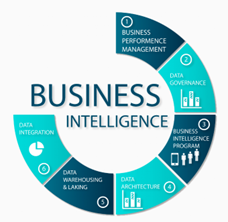
Business Intelligence

What you will learn By the end of this course, participants will be able to: Understand the principles and practices of business intelligence Gain proficiency in using leading BI tools such as Power BI, Tableau, and QlikView Develop skills to create interactive dashboards, reports, and visualizations Learn how to gather, process, and analyze data from various sources Explore advanced analytics techniques, including predictive analytics and forecasting Gain insights into best practices for data storytelling and presentation Learn how to deliver actionable insights to stakeholders to support decision-making Beneficial for This course is suitable for: Business Analysts BI Developers Data Analysts IT Managers Course Outline Module 1: Introduction to Business Intelligence Overview of business intelligence concepts and principles Understanding the role of BI in decision-making and strategic planning Module 2: Data Gathering and Preparation Techniques for gathering and processing data from various sources Data cleaning, transformation, and preparation for analysis Module 3: Data Analysis and Visualization Introduction to data analysis techniques and tools Creating interactive dashboards and visualizations using Power BI, Tableau, or QlikView Module 4: Advanced Analytics Exploring advanced analytics techniques, including predictive analytics and forecasting Leveraging statistical functions and algorithms for data analysis Module 5: Data Storytelling and Presentation Principles of data storytelling and effective communication Presenting insights and findings to stakeholders using compelling narratives Module 6: BI Tool Comparison Comparative analysis of leading BI tools: Power BI, Tableau, QlikView Understanding the strengths and weaknesses of each tool for different use cases Module 7: Real-world Applications and Case Studies Case studies and examples of BI implementations in various industries Practical applications and use cases for BI solutions Module 8: Emerging Trends and Future Directions Exploring emerging trends and technologies in business intelligence Predictions for the future of BI tools and platforms

Read More »

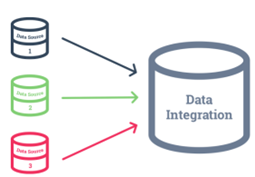
Data Integration Tools

What you will learn By the end of this course, participants will be able to: Understand the features and capabilities of Informatica, Talend, and SSIS Gain proficiency in designing and developing data integration workflows Learn how to extract, transform, and load data from various sources using ETL processes Explore best practices for data quality management and data governance Develop skills to monitor, troubleshoot, and optimize data integration solutions Gain insights into emerging trends and technologies in data integration Beneficial for This course is suitable for: Data Engineers ETL Developers Database Administrators Business Intelligence Professionals IT Managers Course Pre-requisite Participants should have a basic understanding of: Basic understanding of databases and SQL Familiarity with data warehousing concepts (beneficial but not mandatory) Knowledge of ETL processes and data integration principles (beneficial but not mandatory) Course Outline Module 1: Introduction to Data Integration Overview of data integration concepts and principles Understanding the role of data integration in modern data architectures Module 2: Informatica PowerCenter Introduction to Informatica PowerCenter and its features Designing and developing ETL workflows in Informatica PowerCenter Module 3: Talend Data Integration Overview of Talend Data Integration Platform Building data integration jobs and transformations in Talend Module 4: SSIS (SQL Server Integration Services) Introduction to SSIS and its components Creating ETL packages and data flows in SSIS Module 5: Data Quality Management Techniques for data profiling, cleansing, and enrichment Implementing data quality rules and validation checks Module 6: Monitoring and Optimization Monitoring and managing data integration processes Performance optimization techniques for data integration workflows Module 7: Data Governance and Compliance Implementing data governance policies and standards Ensuring compliance with regulatory requirements and data privacy laws Module 8: Emerging Trends and Future Directions Exploring emerging trends and technologies in data integration Predictions for the future of data integration tools and platforms

Read More »

Data Warehousing

What you will learn By the end of this course, participants will be able to: Understand the concepts and principles of data warehousing Gain proficiency in implementing ETL processes to load and transform data Learn dimensional modeling techniques for designing data warehouses Gain proficiency in implementing ETL processes to load and transform data Explore best practices for data warehouse design, implementation, and management Develop skills to optimize data warehouse performance and scalability Learn how to integrate data from disparate sources into a centralized data warehouse Gain insights into emerging trends and technologies in data warehousing Beneficial for This course is suitable for: Data Engineers Database Administrators Data Analysts Business Intelligence Professionals IT Managers Course Pre-requisite Participants should have a basic understanding of: Basic understanding of databases and SQL Familiarity with data modeling concepts (beneficial but not mandatory) Knowledge of ETL processes and tools (beneficial but not mandatory) Course Outline Module 1: Introduction to Data Warehousing Overview of data warehousing concepts and architecture Understanding the role of data warehouses in decision support systems Module 2: Data Modeling for Data Warehousing Introduction to dimensional modeling techniques (star schema, snowflake schema) Designing dimension and fact tables for data warehouses Module 3: ETL Processes and Tools Overview of ETL (Extract, Transform, Load) processes Introduction to ETL tools and platforms for data integration Module 4: Data Warehouse Design and Implementation Best practices for designing and implementing data warehouses Considerations for physical design, indexing, and partitioning Module 5: Data Warehouse Management and Administration Managing data warehouse environments and resources Implementing security measures and access controls in data warehouses Module 6: Performance Optimization and Scalability Techniques for optimizing data warehouse performance Scaling data warehouses to accommodate growing data volumes and user loads Module 7: Data Integration and Advanced Topics Integrating data from disparate sources into a centralized data warehouse Advanced topics such as real-time data integration and data virtualization Module 8: Emerging Trends and Future Directions Exploring emerging trends and technologies in data warehousing Predictions for the future of data warehousing and analytics

Read More »

Azure for Beginner

What you will learn By the end of this course, participants will be able to: Understand the core concepts and components of Microsoft Azure Navigate the Azure portal and manage Azure subscriptions Deploy virtual machines and other Azure resources Gain familiarity with Azure storage, networking, and security Learn how to monitor and troubleshoot Azure resources Explore best practices for optimizing costs and performance in Azure Beneficial for This course is suitable for: Beginners with little to no experience in cloud computing IT professionals looking to expand their skills to include Azure Students and enthusiasts interested in learning about cloud technology Small business owners considering cloud migration options Course Pre-requisite Participants should have a basic understanding of: Basic understanding of computer and internet concepts Basic understanding of computer and internet concepts Familiarity with general IT terminology Course Outline Module 1: Introduction to Azure Overview of cloud computing and Microsoft Azure Understanding Azure regions, availability zones, and resource groups Module 2: Getting Started with Azure Creating an Azure account and subscription Navigating the Azure portal and Azure CLI Module 3: Azure Compute Services Deploying and managing virtual machines (VMs) in Azure Introduction to Azure App Service for web hosting Module 4: Azure Storage and Networking Exploring Azure storage options: Blob, File, and Table storage Understanding Azure networking concepts: Virtual networks, subnets, and security groups Module 5: Azure Security and Identity Implementing security measures in Azure: Network security groups, Azure Active Directory Managing access control and permissions in Azure Module 6: Monitoring and Optimization Monitoring Azure resources with Azure Monitor Best practices for optimizing costs and performance in Azure Module 7: Introduction to Azure Services Overview of Azure services: Azure SQL Database, Azure Cosmos DB, Azure Functions Use cases and scenarios for leveraging Azure services Module 8: Real-world Applications and Case Studies Case studies and examples of organizations using Azure for various business needs Practical applications and use cases for Azure in different industries

Read More »

Don't Hesitate to Contact Us